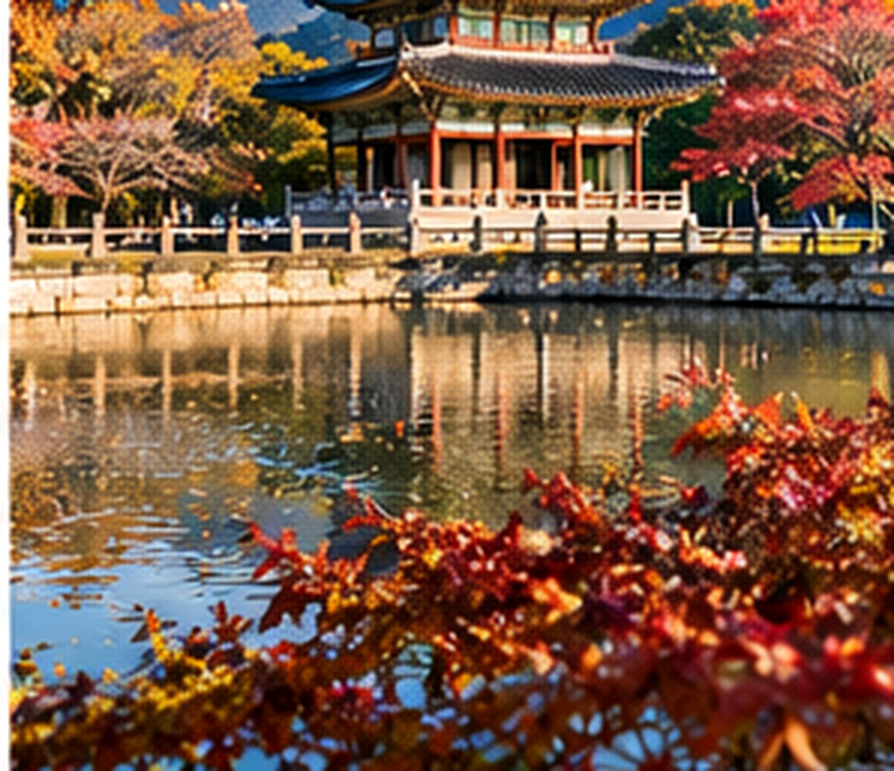
Images accompanying this article are AI-generated editorial visuals, not documentary photographs.
Best Day Trips From Seoul: Suwon, Nami Island and More
You do not have to leave the Seoul region for several nights to see somewhere different. These day trips offer history, gardens and landscapes—if you plan the return as carefully as the destination.
AI-generated editorial visual. Conceptual scene—not documentary photography of an actual visit or a verified location.
A good day trip is one you can return from comfortably
The appeal of Seoul is not limited to the city boundaries. Within a reasonable excursion range you can find fortress architecture, gardens, riverside scenery and smaller towns that feel different from central Seoul. But the phrase “day trip” hides a wide range of logistics. A direct rail outing with a short local walk is not the same as an itinerary requiring multiple rural buses and a timed ferry. The best choice depends on what you want to see, how independently you travel, and how much of the day you are willing to spend moving between stops.
Before picking a destination, decide whether the day is for history, landscape or simply a change of pace. People who love city history may get more out of Suwon’s fortress area than out of a highly photographed garden. A family looking for relaxed scenery may prefer a nature-oriented excursion. If your party dislikes frequent transfers, book a legitimate organized tour or choose a location with simpler public transport instead of pretending every route will feel effortless.
Use official tourism resources for a first shortlist, then check live route details through the relevant rail and local transport services. Departures, admissions and seasonal access can change. A good schedule builds in a comfortable return, especially if you already have another reservation in Seoul that evening.
Suwon Hwaseong: history outside the capital
Suwon is a strong choice for travelers who want architecture and a historical walk rather than a shopping day. Hwaseong Fortress is a UNESCO-recognized heritage landscape associated with the Joseon period, and its walls, gates and broader setting offer a different sense of scale from Seoul’s palace courtyards. Walking even a modest section of the fortress area can be worthwhile; you do not have to attempt every stretch to understand the site. The terrain, however, varies, and there may be slopes or stairs that matter to visitors with limited mobility.
The area also offers urban streets and places to eat, making it possible to plan a balanced day rather than a single hurried monument stop. Begin with the part of the fortress that best fits your interests and physical comfort, then choose a nearby lunch and one additional walk or museum. Check current interpretation programs or exhibitions through official local sources. Never assume a demonstration, guided walk or specialty activity happens daily just because an older article mentioned it.
If visiting in hot or cold weather, pack appropriately. Fortress walls can be exposed and do not necessarily offer shelter along every section. An indoor backup is sensible. Suwon is not an ideal day to attempt three separate faraway destinations after lunch; it deserves its own pace.
Gapyeong: Nami Island, gardens and the limits of an ambitious circuit
The Gapyeong area is frequently associated with Nami Island, Garden of Morning Calm and other visually appealing stops. The official tourism website has published a suggested public-transport itinerary connecting several of these places. That does not mean every combination is simple on every day. Rural transfers, attraction queues and seasonal demand can stretch the schedule. Choose one main site and consider a second only after verifying the actual journey between them.
Nami Island is a nature-and-culture destination, with wooded paths that can be appealing in different seasons. The Garden of Morning Calm offers a different atmosphere through landscaped plantings and seasonal displays. Weather, bloom stages and visitor traffic will affect the experience. Photographs from peak foliage or special evening illumination do not guarantee the same appearance on your travel date.
For a first visit using public transport, the sensible approach is to start early enough, confirm return options, and leave room for one leisurely meal. If you want several distant stops without navigating local services, compare carefully described tours. Confirm what is included, cancellation terms, and whether admission is separate. Do not book a tour solely because the headline lists many attractions; look at the actual time spent at each.
Other possible escapes and how to choose among them
Not every useful day away from Seoul has to be a headline attraction. A smaller historic district, a nearby art museum or a riverside neighborhood can provide relief from central-city crowds without a long transfer. The key is matching the outing to your interests. Travelers who enjoy independent exploration may prefer a single walkable district over a tightly coordinated multi-stop coach excursion. People with children may value restrooms, shade and a convenient meal more than an ambitious checklist.
If you are considering a highly regulated or security-sensitive destination such as the DMZ, research its specific access arrangements, identification requirements and tour availability independently. Entry conditions and schedules can change and may differ by visitor nationality or circumstances. Do not assume that a generic day-trip formula applies to restricted areas. The same principle applies to seasonal ski excursions, festivals or mountain hikes: weather and operating conditions are central to the plan.
Compare day trips using four questions: how long is the journey, how many transfers are required, what will the weather do to the main activity, and what is the fallback if something closes? The most practical answer is usually the best destination for that day.
A simple planning system for a successful return
Start with a single anchor activity, then place lunch and a second optional activity within convenient reach. Save the return station in Korean, check the last sensible service well before you leave Seoul, and put your accommodation address in your phone. If a transfer fails, you should still have time to adjust your route. Check your ticket types as well; an urban transport card and a separately reserved intercity rail ticket may serve different purposes.
Wear comfortable shoes and carry water, weather protection and a little cash. If traveling during a major holiday or peak foliage period, allow extra time for transport and crowded attractions. A destination may be much busier than its ordinary weekday descriptions imply. Look at current notices before setting off and resist the temptation to build a day around a precise restaurant hour you have not checked.
Returning from a day trip with energy for dinner can feel better than returning exhausted with twice as many photographs. Suwon for history and Gapyeong for gardens and nature are useful starting options, but your final choice should follow your actual interests. The quality of the journey matters more than the fame of the destination.
Quick answers for planning your trip
Can I visit Nami Island and Suwon on the same day? It is usually a poor use of time for an ordinary day trip. They offer different experiences and sit in different directions from central Seoul. Choose the nature-and-gardens theme or the history-and-fortress theme. Combining both may create a lengthy transport day with little time left to enjoy either destination.
Are guided trips always easier? A good organized tour can simplify transfers, but check its real itinerary and time on site. A low headline price may exclude admissions or meals. Read the meeting point and cancellation policy carefully. A tour is not automatically better than public transport if your chosen destination has a straightforward connection.
What if I cannot walk far? Suwon’s fortress paths and some countryside garden areas can involve slopes or uneven surfaces. Check access details before booking, and consider a shorter stop, a scenic cafe or a museum if that better matches your needs. You do not need to complete the longest walk to have a worthwhile excursion.
How much should I reserve for delays? The answer depends on your route, but always keep a reasonable buffer before a return train, dinner reservation or evening appointment. Save the next available return option before departing, and do not rely on the final service of the day if you can avoid it.
Official sources and fact-checking references (accessed 2026-10-15):
- https://english.visitkorea.or.kr/svc/whereToGo/hdrdslt/hdrdsltView.do?crsSn=190&menuSn=217
- https://english.visitkorea.or.kr/svc/contents/infoHtmlView.do?menuSn=177&vcontsId=145437
- https://english.visitkorea.or.kr/public/contents/travel/KoreaTransportationGuide_enu.pdf
Schedules, prices, entry rules, transport, operating hours and weather conditions can change. Check official operator or destination information before travel.