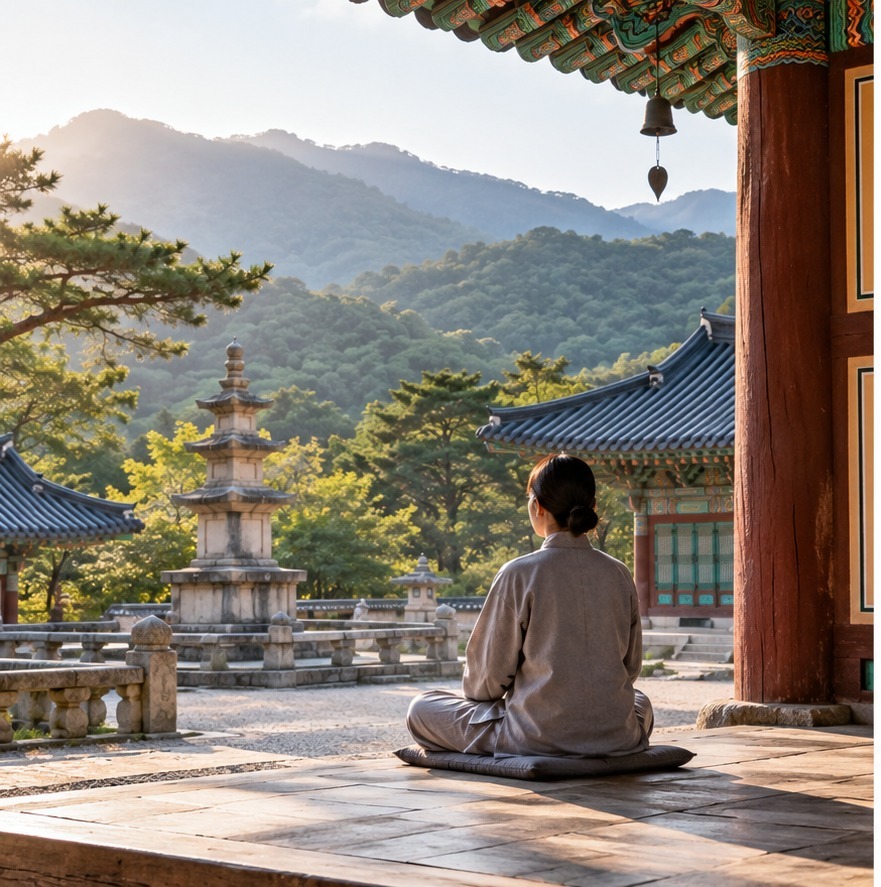
Images accompanying this article are AI-generated editorial visuals, not documentary photographs.
Best Palaces in Seoul: How to Choose Which Ones to Prioritize on a Short Trip
Best Palaces in Seoul is a question many overseas travelers search before they book Korea. The answer matters because helping first time visitors choose palaces wisely instead of forcing all of them into one trip shapes the mood of the trip, the amount of walking you will enjoy, the kind of neighborhoods that suit you, and the amount of flexibility you should leave in the calendar. Korea is easy to love, but it becomes much easier to enjoy when your plan matches reality instead of social media speed.
This guide is for first-time visitors and for travelers who want practical direction rather than a dramatic checklist. Instead of promising a perfect one-size-fits-all answer, it explains what usually works, what changes the experience the most, and how to make better choices before you commit money, hotel nights, or a precious day of travel.
AI-generated editorial visual. Conceptual scene—not documentary photography of an actual visit or a verified location.
Why this topic matters on a real Korea trip
A lot of planning stress comes from treating Korea as a neat collection of attractions rather than as a place where weather, transit, comfort, and timing all interact. When you think clearly about helping first time visitors choose palaces wisely instead of forcing all of them into one trip, a number of later decisions become easier. You know whether you need an early start, whether you should prioritize a central hotel, whether the day should be light or full, and how much energy to save for the evening.
Another useful shift is to stop asking for the single “best” answer and start asking for the best fit. Some travelers want dense sightseeing and lots of variety. Others want a slower day with room for meals, cafés, and wandering. Both approaches can be excellent. The difference is that a good itinerary respects your pace instead of forcing you to imitate someone else’s highlight reel.
What deserves your attention
The highest-value decisions usually sit in the middle of the planning process rather than at the end. For this topic, these points change the day most:
- Differences: Differences in scale, mood, and garden atmosphere often influence the day more than people expect.
- Which: Which palaces pair well with nearby neighborhoods often influence the day more than people expect.
- How: How walking distance and weather change the experience often influence the day more than people expect.
- Why: Why one or two good palace visits can be enough often influence the day more than people expect.
If you think through those points first, smaller decisions become less stressful. You can build one strong anchor for the day, keep a backup nearby, and avoid the trap of overloading the calendar with activities that look good on paper but feel exhausting in practice.
A practical way to plan it
A good Korea day often works best in half-day blocks. Morning can carry the main attraction, the cooler weather, or the most popular site. Afternoon can shift into a neighborhood walk, a museum, or a slower café-heavy area. Evening can become the reward: food, lights, local atmosphere, and recovery. That rhythm helps because transit in Korea is efficient, but sightseeing still costs energy.
When possible, sketch your day around one anchor reason for going. Decide whether the main purpose is scenery, history, shopping, rest, family comfort, or a seasonal feeling. Once you know the point of the day, it becomes easier to decide what to skip. Skipping is important. Many travelers remember the best hour of a day, not the longest list completed.
Practical tips that usually help
- Visit early for a calmer experience and softer light.
- Combine one main palace with one nearby neighborhood.
- Take breaks rather than treating the day as a march.
- Use palace visits to understand seoul’s historical layer.
Those tips may sound simple, but simple choices create most of the difference between a calm trip and a tiring one. Travelers often look for hidden hacks when the real answer is better pacing, more realistic footwear, and a willingness to leave white space in the itinerary. Korea rewards prepared travelers, but it also rewards travelers who leave room for spontaneous good moments.
How this fits into a broader Korea itinerary
Most travel topics in Korea work better when they are connected to a wider route. Think about what comes before and after. If the day starts with a long train or subway ride, keep the evening lighter. If the experience is outdoors and weather-dependent, place a flexible indoor option nearby. If the day is historically or emotionally heavy, follow it with something simpler, like a relaxed dinner or a neighborhood stroll.
It is also worth thinking in terms of travel rhythm across several days. A great Korea itinerary alternates busy days and lighter days. Two intense sightseeing days in a row can be fun, but three or four often reduce your enjoyment. This is especially true in Seoul, where walking, transfers, and crowds can quietly wear people out.
Common mistakes to avoid
- Trying to visit every palace in one day.
- Seeing them only as photo backgrounds.
- Ignoring weather and open space fatigue.
- Arriving with no sense of which atmosphere you prefer.
Most of these mistakes come from copying another traveler’s plan too closely. A guide is useful only when it helps you make your own decisions. If your style is slower, design a slower day. If atmosphere matters more to you than quantity, protect that preference instead of squeezing in one more famous stop just because it appears in every online list.
Gyeongbokgung often attracts first-time visitors because of its monumental setting and connection with the Joseon royal court. Changdeokgung offers a different atmosphere, where palace architecture and landscape are closely connected. Deoksugung is appealing to travelers interested in the meeting of traditional and later urban history. These examples show why choosing a palace is not simply a matter of ranking one above the others: each produces a different kind of visit.
When planning, check official opening days, admission details and any reservation requirements. Some guided or garden areas may operate differently from the main grounds. Palace grounds can involve substantial walking and exposed open spaces, so carry weather protection and give yourself enough time to stop and read the interpretation panels. Combining one palace with a nearby neighborhood often creates a richer day than racing between several palace entrances.
If you rent hanbok, confirm current rules at the attraction rather than assuming that every outfit or activity is treated the same way. If photography is the primary goal, consider the light and crowds, but remember the sites are historic places, not only backdrops. Taking an hour to learn about the stories behind a gate or hall can make the surrounding city feel more connected to its past.
Final thoughts
The best version of this experience is rarely the one with the most pins on the map. It is the one that matches your timing, energy, and curiosity. If you use this article as a framework rather than as a rigid script, best palaces in seoul can become one of the most satisfying parts of your Korea trip.
Before you go, check the latest official information from the sources below, especially for transportation, seasonal conditions, or site notices. Then keep the actual day simple. Good preparation helps, but presence matters just as much.
Extra planning note
One final reminder: do not judge the trip only by the headline attraction. In Korea, the quality of a day often depends on small decisions such as the timing of your first departure, whether you packed one useful layer, how far you have to walk after dinner, and whether you gave yourself permission to stop when the mood feels right. These details sound ordinary, but they are exactly what turn a decent travel day into a memorable one.
Official sources checked
- Official tourism information | https://english.visitkorea.or.kr/svc/main/index.do | verified 2026-10-15