Images accompanying this article are AI-generated editorial visuals, not documentary photographs.
Best Things to Do in Seoul for First-Time Visitors: 12 Experiences Worth Your Time
Seoul has famous sights, but the most rewarding visits combine history with contemporary streets and everyday city life. Start with the experiences that actually match your interests.
AI-generated editorial visual. Conceptual scene—not documentary photography of an actual visit or a verified location.
Begin with two contrasting sides of Seoul
The most rewarding first visit to Seoul is rarely a march through twelve isolated tourist stops. It is a chance to see how a dense modern city lives alongside centuries-old architecture, riverside parks, small shops and very ordinary streets. Start by choosing two experiences that contrast rather than compete. A palace and a design-focused district, for example, tell different stories. A market lunch and a quiet riverside walk give your day a natural rhythm. You do not need every attraction in the city to understand why it is worth visiting.
Historic sights provide an obvious starting point. Gyeongbokgung and the other royal palace grounds offer a connection to the Joseon era, while neighboring areas around Jongno preserve different traces of urban history. Take time to read explanations of the buildings rather than using them only as a backdrop. The Korea Tourism Organization identifies Seoul’s royal palaces among the country’s representative attractions. Check opening schedules, admissions and any temporary restrictions on the official site before setting out.
Then change the mood. A district such as Seongsu or Hongdae can show independent retail, cafes and a distinctly current Seoul. Use a neighborhood walk as an experience in itself. A small bookstore, a local lunch menu, or a side street without a famous hashtag may become the highlight. The following ideas are designed as options for different kinds of visitors, not twelve mandatory tasks.
Culture, neighborhoods and places that reward slow exploration
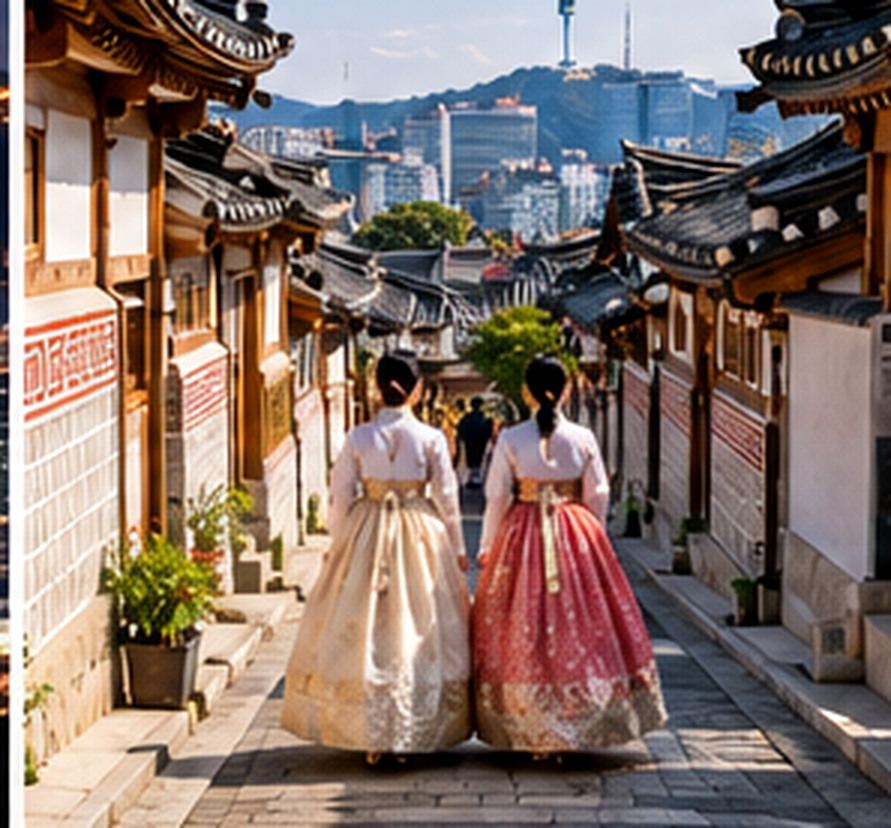
A royal palace is a strong foundation, but try pairing it with an adjacent neighborhood rather than another distant landmark. Insadong offers traditional-culture shopping and galleries, while parts of Seochon have small streets and food stops that suit a slower afternoon. Bukchon features traditional housing within a living residential neighborhood. Treat restrictions and residents’ privacy seriously; published access rules may apply, and a building facade is not an invitation to enter a courtyard.
Museums and galleries are practical for rain, intense summer heat or days when your energy is lower. Whether you prefer history, contemporary art or design, check each institution’s current programming rather than assuming every exhibition will be open during your visit. A smaller museum can be more memorable than a hurried visit to a major institution that you have no time to absorb. Families may value interactive programs; travelers with limited mobility should check access maps and elevators.
Traditional clothing can be a joyful cultural activity for those interested in it, particularly in historic districts. Renting hanbok, however, adds time for fitting, photographs and returns. You can appreciate Korean history without dressing up. The experience should suit your interests rather than become another obligation on a crowded schedule.
Markets, meals and shopping without spending the whole day in line
Exploring Seoul through food gives you a reason to visit ordinary streets as well as famous ones. A market can be energetic, crowded, aromatic and slightly overwhelming; choose the pace that feels comfortable. Rather than building a meal around a single viral stall, look for a manageable selection of dishes and a place where you can sit. If you have allergies or dietary restrictions, ask about ingredients instead of assuming a dish is safe from appearance alone. Broths, marinades and sauces can contain ingredients that are not obvious at a glance.
Shopping areas also have different personalities. Myeongdong is convenient for central browsing and beauty retail; Seongsu can suit design and lifestyle interests; other neighborhoods appeal to vintage clothing or independent fashion. A shopping plan works best when you decide what you actually need before entering the first store. Compare products and read ingredient information rather than relying on a popularity sticker.
Do not confuse a long queue with proof of quality. Many popular locations are small, and the line may be driven by social media timing. It is reasonable to leave and try something similar nearby. Save your energy for the places that matter to you.
Waterfront afternoons, skyline evenings and active experiences
The Han River gives Seoul room to breathe. Different parks have different access points and facilities, so pick the one closest to your planned route rather than crossing the city just to stand at a particular photo spot. A waterside walk, a bicycle outing when conditions allow, or a picnic can create an excellent contrast with downtown streets. Follow current weather and local safety instructions, especially in heavy rain or periods of flooding.
A city viewpoint can be a pleasing evening activity, but clarity depends on weather and visibility. It is worth having a flexible plan instead of precommitting to a distant viewpoint on a hazy night. Night walks through illuminated streets can be enjoyable without needing a ticket. The point is to experience Seoul after dark, not to collect the tallest possible panorama.
If you enjoy music and performance, look for official event listings. A guided food experience, hands-on craft activity or contemporary performance can add personal meaning to the trip. Book only where operators publish real terms, meeting places and cancellation policies. Avoid any offer that promises guaranteed celebrity access or implausible behind-the-scenes encounters.
Make a shortlist that fits a three-day or five-day visit
For three days, think in clusters: one historic-center day, one modern neighborhood day and one flexible day for a market, art, river or shopping. For five days, add a second district and a slower outdoor excursion, or reserve a day for a nearby destination. Do not assume an itinerary with more named stops is better. A small number of well-chosen experiences is often richer than a long afternoon spent on public transportation.
Before leaving each morning, check the current weather, public transport direction, attraction opening day and one backup option. The official tourism site publishes attraction and suggested-route information; it is useful for confirming names and context, but individual operating hours still require a fresh look. Carry appropriate footwear. Seoul is walkable in many areas, yet hills, stairways and large transport interchanges can turn a supposedly light itinerary into a demanding one.
Most importantly, make space to notice ordinary Seoul. The city is interesting not only because it has famous palaces and new shops, but because both coexist with residential streets, neighborhood restaurants and people going about daily life. You will understand more by lingering somewhere you like than by rushing to the next pin.
Quick answers for planning your trip
Are the famous places close together? Some historic-center sights can be combined on foot, but neighborhoods on opposite sides of the Han River may involve substantial journeys. Always check actual route estimates and station exits. Online lists often make distant attractions appear adjacent by placing them in the same article. Your feet and the transit timetable will have a different opinion.
Can I enjoy Seoul without shopping? Certainly. The city has architecture, public art, riverside walks, history and everyday food culture that do not require large purchases. Build a trip around museums, neighborhood walks and meals if that is what interests you. Shopping can be an optional short stop rather than the center of every afternoon.
What changes in winter or heavy summer rain? Keep the broad themes but reduce exposed outdoor time. Trade a long park visit for an indoor gallery or covered market, and carry layers appropriate to your season. Confirm attraction notices before departing, because weather can affect viewing platforms, outdoor events and transport services.
What is the most underrated planning habit? Leaving a gap between your main activities. When you have time to wander, you notice bookstores, small streets and everyday routines that never appear in a top-ten list. Those unplanned discoveries often define how you remember a place.
Official sources and fact-checking references (accessed 2026-10-15):
- https://english.visitkorea.or.kr/svc/contents/infoHtmlView.do?menuSn=177&vcontsId=145437
- https://english.visitkorea.or.kr/svc/contents/infoHtmlView.do?menuSn=219&vcontsId=194514
- https://english.visitkorea.or.kr/svc/contents/infoBscView.do?vcontsId=140738
Schedules, prices, entry rules, transport, operating hours and weather conditions can change. Check official operator or destination information before travel.