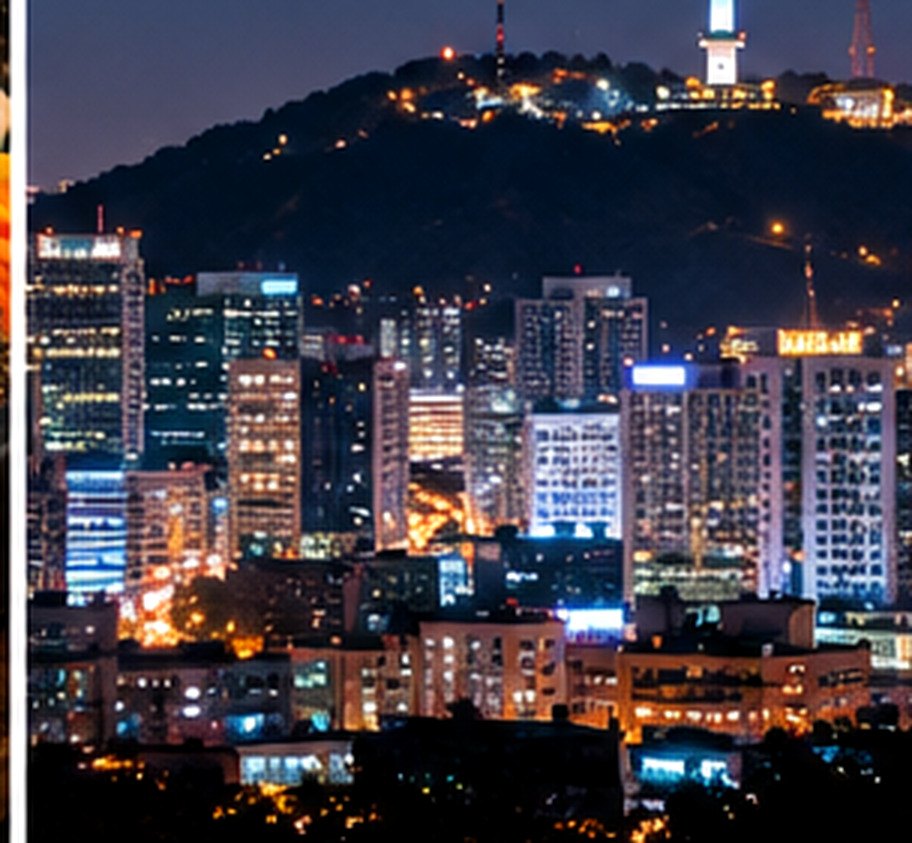
Images accompanying this article are AI-generated editorial visuals, not documentary photographs.
Hwangnidan Street Gyeongju: Cafés, Tombs and a Walkable First Visit
Hwangnidan Street makes historic Gyeongju approachable for visitors who want both ancient scenery and present-day café culture. The street is known for renovated hanok storefronts and its proximity to royal tombs and Cheomseongdae. It works best as part of a walking district rather than as a stand-alone shopping stop.
If you search for Hwangnidan Street Gyeongju guide while building a Korea trip, you will see plenty of photographs and short recommendation lists. The more useful question is how to visit in a way that makes sense for an overseas traveler: what belongs together, what is actually worth the time, and which practical details need checking. This original Korea Plainly guide answers those questions from independently checked destination information, not from a translated personal travel diary.
AI-generated editorial visual; an illustrative scene, not a documentary photograph of this exact location or a claim of a personal visit.
Why this area deserves a place in your itinerary
Central Gyeongju is unusually satisfying on foot because ancient sites and a modern café district sit within a broader historic landscape. However, not every temple or heritage landmark is within that compact core. Use central sights for a walking-focused outing and keep more distant sites for another time.
What makes this particular outing distinctive is the combination of stops rather than a single viral image. Hwangnidan Street makes historic Gyeongju approachable for visitors who want both ancient scenery and present-day café culture. The street is known for renovated hanok storefronts and its proximity to royal tombs and Cheomseongdae. It works best as part of a walking district rather than as a stand-alone shopping stop. The practical route below deliberately avoids naming unverified shop opening hours or promising that temporary venues will still exist on your travel dates. Focus on the surroundings, choose one or two stops that matter most to you, and keep the rest flexible.
A four-stop route that makes geographical sense
You do not need to complete the route as a race. Read each stop as a reason to spend time in a particular part of the area; adjust the order based on where your hotel is, current access rules and the weather. The route is a suggested structure, not an assertion that a particular tour operates every day.
1. Hwangnidan storefronts
Begin by browsing the older streets with cafés, small shops and restaurants. The official VisitKorea listing notes that business hours vary store by store. Treat this as your orientation stop. Before moving on, identify the direction of the next place on your map so you do not cross the same crowded street twice.
2. Daereungwon area
The nearby large burial mounds provide a very different visual atmosphere from the commercial street. Respect heritage boundaries and check admission details before entering. This is a good moment to slow down, because it adds a different dimension to the area. If something is unexpectedly closed or busy, enjoy the surrounding streets rather than forcing the planned stop.
3. Cheomseongdae vicinity
This historical landmark adds context to Gyeongju as the former Silla capital. Avoid rushing between widely separated historical sites without considering heat and walking distance. Give this stage enough time to notice what makes it distinct. A short rest can be more valuable here than chasing an additional attraction on the other side of the city.
4. A relaxed hanok café
Finish with a deliberate pause, not a list of four bakery queues. Choose a venue with seating that suits your group and check if it is operating. Think ahead to the return journey from this final stop. Save a station or bus stop before your phone battery is low, especially if you are finishing after sunset.
What to eat or drink along the way
Eating locally does not have to mean copying somebody else’s personal ranking. A useful choice depends on the hours of your visit, your appetite and the type of place you actually encounter. For a Gyeongju outing, the three directions below offer a starting point rather than an invented review of individual restaurants.
Hwangnam bread. Gyeongju’s classic local pastry is a familiar souvenir and snack, but vendor quality and ingredients vary. Ask for the full price and the portion size before you order; online photos rarely tell you how much food you will receive.
Street-food savory bite. One quick snack allows you to keep room for a regional meal later. If you have allergies or dietary restrictions, check ingredients directly. A dish may contain broth, sauce or garnish that is not obvious in a picture.
Tea in a hanok venue. A warm drink can be a calm break from crowded lanes. For takeaways, consider how you will carry or store the food and whether it is suitable for your onward travel.
Transport, timing and comfort
VisitKorea confirms the street’s location in Hwangnam-dong near major sights including Daereungwon and Cheomseongdae. It is reasonable to spend the bulk of a day in this central area; ticketing and night-lighting schedules need current confirmation.
Plan the outward and return journey before you decide what the middle of the day will look like. Central Gyeongju is unusually satisfying on foot because ancient sites and a modern café district sit within a broader historic landscape. However, not every temple or heritage landmark is within that compact core. Use central sights for a walking-focused outing and keep more distant sites for another time. A transport app can suggest a route, but allow for walking between platforms, finding the correct exit and adjusting plans when a business is unexpectedly closed. When traveling with children, older relatives or anyone with mobility needs, prefer fewer stops with suitable rest breaks rather than trying to cover everything listed above.
Weather changes the answer too. Check a current forecast close to departure, bring comfortable walking shoes and save an indoor option when rain or heat is possible. For food and shopping, the busiest period may not be the most enjoyable. Visit with a little flexibility and decide what can be skipped if you arrive later than planned.
Mistakes that can spoil this outing
- Treating cafés as replacements for the city’s archaeological history. Before committing to this plan, ask what you would do instead if that assumption turns out to be wrong. Sometimes the solution is a quieter route or a different time of day; sometimes it is simply choosing not to make that item the focus of the trip.
- Assuming all hanok buildings are centuries old. Before committing to this plan, ask what you would do instead if that assumption turns out to be wrong. Sometimes the solution is a quieter route or a different time of day; sometimes it is simply choosing not to make that item the focus of the trip.
- Packing the entire Gyeongju region into a single short stroll. Before committing to this plan, ask what you would do instead if that assumption turns out to be wrong. Sometimes the solution is a quieter route or a different time of day; sometimes it is simply choosing not to make that item the focus of the trip.
The point is not to create an anxious checklist. It is to remove the most predictable frustrations so that the area feels enjoyable rather than stressful. You can appreciate local life without entering private spaces, joining every queue or photographing everyone you pass.
Frequently asked questions
Is this worthwhile if I have only one day in Gyeongju?
Yes if hwangnidan street makes historic gyeongju approachable for visitors who want both ancient scenery and present-day café culture is the kind of experience you want. Prioritize the first two route stops and one meal. A deliberate half-day will be more satisfying than a rushed attempt to include every suggestion.
Do I need to book anything?
Ordinary neighborhood walking usually needs no reservation, but a specific restaurant, museum, cultural program or attraction may. VisitKorea confirms the street’s location in Hwangnam-dong near major sights including Daereungwon and Cheomseongdae. It is reasonable to spend the bulk of a day in this central area; ticketing and night-lighting schedules need current confirmation. Confirm the current rules directly with the venue or official operator.
What is the easiest way to avoid crowds?
Arrive before the most popular meal or shopping period, or select a calmer part of the district. Do not depend on a precise “quietest hour” quoted in a blog: holidays, weather and events change foot traffic.
What should I bring?
Comfortable shoes, a small weather layer, your preferred payment backup and a saved Korean-language map pin are a sound starting point. For this outing in Gyeongju, also review the specific cautions above before departure.
Final planning note
Hwangnidan Street makes historic Gyeongju approachable for visitors who want both ancient scenery and present-day café culture. The street is known for renovated hanok storefronts and its proximity to royal tombs and Cheomseongdae. It works best as part of a walking district rather than as a stand-alone shopping stop. It is worthwhile to think of the day as an experience of a part of Korea, not just a collection of photographs. A single good meal, an unrushed walk and one meaningful cultural stop can be more memorable than six short check-ins. This article is independently written for overseas travelers; it does not claim that Korea Plainly staff personally visited or tested the individual venues.
Before publishing or traveling, verify opening hours, admission rules, prices, route closures and menus with the relevant operator. These can change. The cited tourism pages were consulted for the destination context, but they do not provide a real-time guarantee of every business detail.
Source checked on 22 October 2026: https://english.visitkorea.or.kr/svc/contents/contentsView.do?vcontsId=174203
Additional official reference: https://english.visitkorea.or.kr/svc/main/index.do