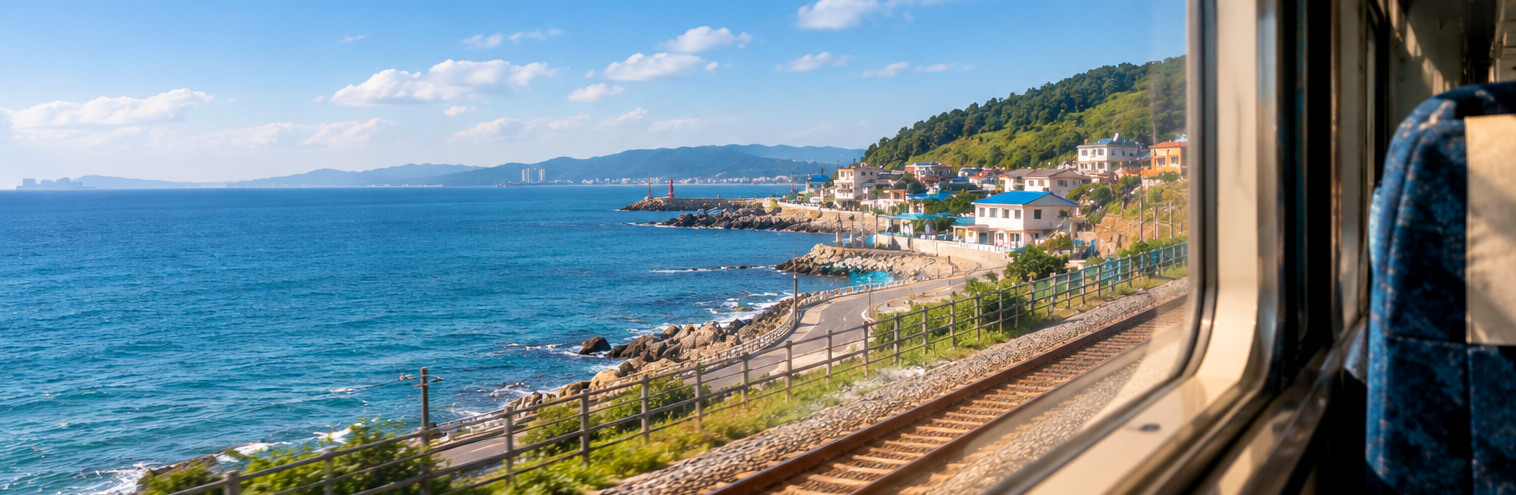
Images accompanying this article are AI-generated editorial visuals, not documentary photographs.
Jeju Island 3-Day Itinerary: Scenic Highlights With or Without a Car
Jeju rewards travelers who slow down. This three-day plan organizes volcanic landscapes and coastal outings by region, with realistic options for visitors driving or using public transport.
AI-generated editorial visual. Conceptual scene—not documentary photography of an actual visit or a verified location.
The most important decision is how you will get around
Jeju looks small on a screen, but it is not a compact walking destination. Attractions are spread around the island, some scenic roads are slow, and buses may not match the frequency you expect from a city subway. The difference between having a rental car and relying on public transport changes what is realistic in three days. Before saving a long wish list, choose the travel mode and decide which region you will explore each day. That simple step prevents most exhausting Jeju itineraries.
A car can make remote coastal and countryside stops more accessible, but renting one requires the correct license documentation, suitable insurance, and an understanding of local driving requirements. Do not assume every overseas license or international driving permit is accepted for your nationality without checking current rules with the official authorities and rental provider. Travelers without a car can still have a rewarding visit by grouping major destinations and allowing more time for transfers. The Korea Tourism Organization has published an east-coast Jeju bus itinerary, a useful signal that car-free travel is possible if the route is planned thoughtfully.
Weather is another factor. Jeju’s coastal wind, mountain conditions and rain can change a day significantly. A route that would be pleasant in sunshine can become unsafe or uncomfortable in strong wind. Have indoor alternatives and avoid scheduling a strenuous mountain excursion on arrival day.
Day one: arrive and explore one coastal area
After reaching Jeju, travel to your accommodation, settle in and explore the nearest coastal district rather than crossing the island immediately. The goal is to understand the local pace and geography. If you stay near Jeju City, you can focus on an easy waterfront walk and a meal nearby. If you choose a southern base, the atmosphere and practical transfer choices will be different. Neither location is universally better; it depends on whether your priority is the airport, dramatic coast or a particular cluster of activities.
Use the first afternoon to confirm how you will move tomorrow. On Jeju, a route requiring a bus connection deserves a little more planning than a Seoul subway trip. Check the current timetable and whether a destination’s last stop is within comfortable walking distance. If using taxis, have the full destination name in Korean and a fallback ride plan. Cellular coverage is useful, but storing addresses offline can still save time.
Eat at a place that fits your dietary needs and budget, without building the entire arrival day around a famous restaurant. Food names are part of the island’s character, but individual shops and menus change. Your first evening is more enjoyable when there is no pressure to find an exact social-media location after a long transfer.
Day two: east Jeju and the volcanic coastline
An east-coast day can focus on the Seongsan area and nearby sea views, with stops chosen according to how you travel. Seongsan Ilchulbong is one of Jeju’s recognizable volcanic landmarks, but access to trails and summit areas can be affected by weather or conservation rules. Check the official visitor guidance before planning a climb, and prepare footwear suitable for steps and uneven paths. If climbing is not appropriate for your party, there may still be beautiful coastal viewpoints without committing to a summit.
The broader east coast offers landscapes that contrast with built-up Jeju City. Spend time on a coastal walk or another suitable stop rather than racing from point to point. If you are following the official tourism site’s bus-oriented east Jeju route, use it as a framework and confirm live service information. Some stops may require a longer wait than an urban traveler expects. A day that includes one major sight and two relaxed stops is often more satisfying than six sights visited from a vehicle.
The island also has sensitive natural habitats. Stay on marked paths and avoid entering restricted areas for photographs. Coastal rocks can be slippery, waves can be unpredictable and wind can make exposed viewpoints hazardous. Treat these as real conditions, not dramatic background scenery.
Day three: choose the south, west or a slower final morning
With one full day left, choose one region rather than circling the entire island. The southern coast around Seogwipo can suit travelers interested in waterfalls and dramatic shorelines; the west offers different beaches and countryside landscapes. Your choice should reflect accommodation location and eventual flight timing. If your flight leaves in the afternoon, a short nearby activity may be safer than a remote west- or south-coast stop.
For a relaxed trip, replace distant sightseeing with a village walk, a scenic cafe stop or a smaller museum. The appeal of Jeju includes its atmosphere, not only the number of named attractions. A rainy or windy day is a good reason to choose a sheltered experience and reschedule a beach walk, rather than forcing an outdoor route because it appears on your itinerary. Check whether selected facilities require reservations and whether admission or parking rules have changed.
If you are considering Hallasan, understand that a mountain hike is not an interchangeable half-hour viewpoint. It requires its own weather, route, stamina and possibly reservation planning depending on the selected trail. For a three-day first visit, it is completely reasonable to skip a demanding summit attempt and give the island’s coast your full attention.
Car-free tips, budgeting and sustainable travel
If you travel by bus, plan fewer daily stops and keep the latest route information handy. Some bus stops may not have the English information or shelter you expect. Carry water and a charged phone, and do not build an itinerary around a last service you have not verified. If you rent a car, prioritize safe driving and legal parking instead of stopping abruptly at scenic roadside points. Either approach works when you adapt your pace to the island.
Budget for regional transport separately from food and accommodations. A low hotel rate far from your desired sights might cost more in transport or time. The same applies to restaurant plans: a meal on the opposite coast is not a casual detour. Check local business hours only from current official pages or the business itself. In stormy weather, operators may change schedules at short notice.
The Korea Tourism Organization’s Jeju itinerary is a starting point, not a promise that every vehicle and attraction will operate as described on your dates. Verify current details, leave room for wind and weather, and remember that Jeju’s appeal is closely tied to its natural environment. Traveling thoughtfully is part of enjoying it.
Quick answers for planning your trip
Can I visit Jeju without renting a car? Yes, but it changes the shape of your trip. Keep attractions in regional clusters and allow more time for buses or occasional taxis. The official tourism authority has even proposed an east Jeju bus-based itinerary. Trying to copy a self-drive schedule while using public transport is the fast route to frustration.
Should I stay in one hotel or move around the island? Three days generally favor a single base unless your arrival and departure plans strongly suggest otherwise. Each hotel change takes time and introduces luggage logistics. A second base can make sense on a longer trip with clear regional priorities, but it is not required to enjoy Jeju’s different coastlines.
Is Hallasan essential? No. Hallasan is a major part of Jeju’s landscape, but a summit outing has its own fitness, weather and access considerations. Travelers who prefer gentle coastal walking can have a complete and rewarding island experience without a demanding hike. Choose what suits your group instead of treating a mountain climb as compulsory.
What if wind disrupts an activity? Be willing to change plans. Coastal safety and boat or outdoor activity rules take priority over sightseeing schedules. Use an indoor museum, a sheltered cafe area or a different regional outing, and verify whether booked activities offer rescheduling or refunds.
Official sources and fact-checking references (accessed 2026-10-15):
- https://english.visitkorea.or.kr/svc/contents/contentsView.do?menuSn=219&vcontsId=220897
- https://english.visitkorea.or.kr/svc/contents/infoBscView.do?vcontsId=140636
- https://english.visitkorea.or.kr/public/contents/travel/KoreaTransportationGuide_enu.pdf
Schedules, prices, entry rules, transport, operating hours and weather conditions can change. Check official operator or destination information before travel.