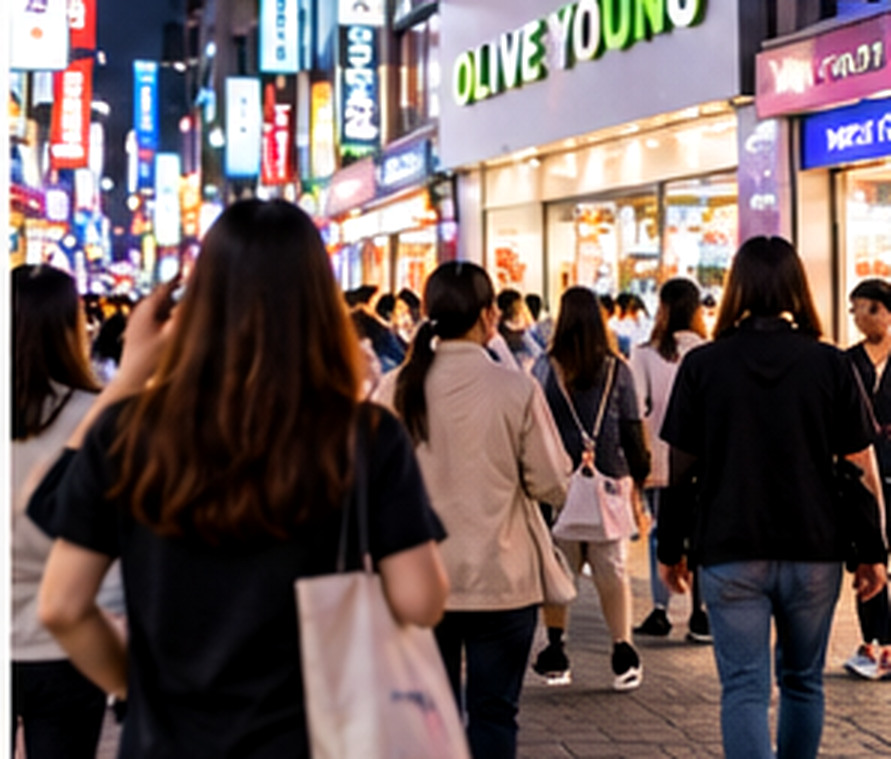
Images accompanying this article are AI-generated editorial visuals, not documentary photographs.
Shopping in Seoul: Best Areas for Beauty, Fashion and Souvenirs
Seoul shopping is most enjoyable when you know what you want and where that kind of store is concentrated. Compare neighborhoods rather than rushing from one trending address to the next.
AI-generated editorial visual. Conceptual scene—not documentary photography of an actual visit or a verified location.
Choose a shopping district by what you want to buy
Shopping in Seoul can be exciting even if you are not usually someone who spends a holiday browsing stores. The city offers everything from practical skincare and accessible clothing to independent design, food gifts and traditional craft items. The problem is not a shortage of options; it is knowing where to start. Travelers who wander between distant shopping districts without a goal often lose a whole day to transport, queues and impulse buys. A better plan begins with categories: beauty, fashion, gifts, specialty goods or simply an afternoon enjoying the retail atmosphere.
If your priority is familiar beauty brands and central convenience, Myeongdong is an obvious candidate. For independent design and contemporary lifestyle shopping, consider Seongsu. If you enjoy craft, galleries or traditional-style gifts, parts of Insadong and nearby cultural streets are worth exploring. Dongdaemun and other commercial districts may appeal to travelers interested in clothing and markets, though specific retail operations and opening hours vary. No district guarantees the cheapest price for every item, so compare rather than assuming a famous shopping street always offers the best value.
The Korea Tourism Organization publishes a shopping overview with categories such as cosmetics, fashion and K-pop merchandise. Use that as a starting map of possibilities, then build your itinerary around the stores and experiences that match you. It is completely reasonable to browse without buying; shopping neighborhoods are also places to observe design, packaging and everyday city life.
Beauty shopping: useful questions before buying a suitcase of skincare
K-beauty can be an enjoyable part of a Korea trip, especially if you know which product types you already tolerate. Look at cleansers, moisturizers, sunscreen and makeup by function rather than by social-media ranking. A popular product does not automatically suit every skin type. Ingredient lists, fragrance, active components and how a formula interacts with products you already use matter more than a shelf label saying “bestseller.” If you have known sensitivities, check the full ingredients and patch-test appropriate new products when possible.
Avoid starting multiple strong active products at the same time just because they are discounted. If irritation develops, you will not know which product caused it. Some skincare claims are cosmetic rather than medical; a product’s marketing description is not evidence it treats a skin condition. Travelers seeking treatment for a persistent problem should consult an appropriate clinician instead of replacing care with a shopping haul.
Check packaging sizes, expiry dates, sealed condition and airline liquid restrictions. Compare the actual unit price when a promotion includes multiple miniatures. If a purchase may qualify for a tourist tax refund, confirm the store’s participation and exact requirements at the register. Refund systems and thresholds can change; keep receipts and use current official guidance rather than relying on an old influencer chart.
Fashion, independent stores and finding gifts with a local feel
Seongsu attracts attention for its design-oriented retail spaces and temporary pop-ups, but the experience depends on what is running during your visit. If a particular pop-up is important, confirm its dates, entry rules and location through an official announcement. A popular storefront can look completely different six months later. Independent stores may have limited sizing, stock or return options; inspect what you buy and ask about exchanges before paying.
In more traditional shopping streets, look for gifts that are easy to carry and genuinely useful to the recipient. Paper goods, ceramics, small accessories, packaged snacks and craft-inspired items can be more memorable than bulky novelty purchases. Check weight and fragility, especially if your luggage is already full. Food gifts are subject to your home country’s import rules, so verify restrictions before buying items that contain meat, seeds, liquids or other controlled ingredients.
K-pop fans should prioritize official merchandise channels and check whether an item is licensed. The presence of a group photograph does not prove authenticity. Collectibles can command high prices and markets can include unofficial items. Buy intentionally, keep proof of purchase and avoid handing over payment for claims of rare access or authenticity that cannot be verified.
Markets, prices and the art of shopping without exhaustion
A market visit can be part of sightseeing rather than a purely transactional errand. Markets vary widely: some are focused on fresh food, others on clothing or specialty goods, and some are lively simply because local people use them daily. Keep a respectful approach. Ask before taking close-up photographs of vendors or customers, stay out of working pathways and do not assume bargaining is expected everywhere. A busy market is a workplace.
Set an approximate spending cap by category before leaving your hotel. It prevents a string of small purchases from becoming an expensive surprise. Compare prices at more than one store for common packaged items, but do not spend an entire afternoon crossing town to save a negligible amount. Time is a cost too. For large purchases, check warranty coverage, tax documents, power compatibility and the difficulty of returning an item from abroad.
Build breaks into a shopping day. Crowds, bright lighting and the need to make constant decisions can be tiring. A proper lunch and one seated coffee stop will make your choices better than spending six consecutive hours walking. If you are traveling with someone who is less interested in shopping, split the afternoon or choose an area with enjoyable galleries, architecture and cafes so everyone has something to do.
Tax refunds, payment backups and an easy one-day route
Tourist tax refunds are often advertised prominently, but eligibility depends on the specific store, goods, traveler circumstances and current rules. Ask at the point of sale, retain receipts and verify requirements through official tax-refund information. An advertised immediate refund is not necessarily available for every transaction. Do not remove packaging or use goods in a way that could affect a refund or customs requirement without checking the applicable rules.
Payment acceptance varies. Many retailers accept major cards, but a backup payment method and a small amount of cash are sensible for markets or transit-related purchases. A transportation card may not function like an ordinary payment card in every store, and vice versa. Check baggage limits before buying liquids, ceramics or bulky cosmetics. An appealing discount is less attractive if you pay for excess luggage later.
For a balanced shopping day, choose one central district in the morning, have a leisurely meal, then move to a second district that offers a different category. Myeongdong plus Seongsu makes sense for visitors who want beauty stores and contemporary design, though the trip between them consumes time. If your focus is culture and gifts, a palace-area walk followed by Insadong may be more coherent. Buy what fits your actual interests and let the city—not just the checkout counter—be part of the experience.
Quick answers for planning your trip
Which items are good small gifts? Consider practical stationery, small accessories, factory-sealed snacks, locally inspired paper goods or other portable items that suit the recipient. Avoid gifts that are fragile, heavy or restricted by your destination country’s customs rules. A thoughtful lightweight souvenir is usually better than an impressive purchase that becomes a packing problem.
Are tax refunds automatic? Not necessarily. Participation, traveler eligibility and transaction requirements matter. Confirm at the counter, retain documents and check the rules relevant to your purchase. A sign advertising tax-free shopping is useful but not a substitute for understanding the process.
How do I avoid buying duplicate skincare? Decide which product category you need before entering the store. Compare full ingredient lists, use sizes and your current routine. If you already have several exfoliating products, a discount on another one is not a reason to buy it. Travelers with sensitive skin should be particularly cautious about introducing multiple new formulas at once.
What if a shop is closed or a pop-up has ended? Have a second shopping area or product category in mind. Temporary retail concepts change quickly. Verify dates through official store channels before traveling across the city for a single item, and avoid allowing one missed purchase to dictate the whole day.
Official sources and fact-checking references (accessed 2026-10-15):
- https://english.visitkorea.or.kr/svc/contents/infoBscView.do?vcontsId=140738
- https://english.visitkorea.or.kr/svc/contents/contentsView.do?menuSn=&page=1&sContsTtl=&sort=regDt&tagNm=%23Transportation_card&tagSn=150&vcontsId=140663
- https://english.visitkorea.or.kr/svc/contents/contentsView.do?vcontsId=140638
Schedules, prices, entry rules, transport, operating hours and weather conditions can change. Check official operator or destination information before travel.