Images accompanying this article are AI-generated editorial visuals, not documentary photographs.
South Korea Packing List by Season: What You Actually Need
Packing for South Korea is easier once you understand its distinct seasons. Start with your actual travel dates, then choose versatile layers and practical travel essentials.
AI-generated editorial visual. Conceptual scene—not documentary photography of an actual visit or a verified location.
Pack for your dates, not for an idealized image of Korea
South Korea has distinct seasons, and what feels comfortable during a spring afternoon can be entirely different from what you need after dark. A packing list borrowed from someone else’s travel video can fail because the creator visited in another month or rarely left indoor spaces. The most useful approach is to check the forecast for your exact destinations shortly before leaving, then build layers you can adjust. Seoul, Busan and Jeju can feel different because of elevation, coast and wind, even when the national forecast sounds straightforward.
The Korea Tourism Organization describes Korea’s spring and fall as generally comfortable for walking, summer as hot and humid, and winter as cold and often dry. The important detail is variability. Spring mornings may be chilly; autumn evenings can be cool even when lunch is warm; heavy summer rain can upset outdoor plans; winter wind can make exposed viewpoints uncomfortable. Do not treat seasonal averages as promises about the week you will actually experience.
Rather than filling your suitcase with outfits for imaginary photo opportunities, think in daily functions: walking, weather protection, respectful indoor visits, evening layers and an outfit appropriate for your particular booked activity. Packing light is especially valuable when you will use public transport or change hotels between cities.
Spring and fall: comfortable layers beat a single heavy outfit
Spring travelers usually benefit from a light jacket or trench-style outer layer, comfortable shoes, long trousers and tops that can be adjusted through the day. Depending on month and destination, a warmer piece may still be useful early in the season. Spring blossom photographs can suggest permanent sunshine, yet rain and temperature swings are real possibilities. Bring a small umbrella or a compact rain layer and check outdoor attraction forecasts shortly before each visit.
Fall has a similar layering logic, though the transition toward winter makes late-season evenings cooler. A sweater, a wind-resistant outer layer and shoes suited for long city walks are more flexible than a single thick coat that becomes uncomfortable indoors. If you plan higher-elevation hiking, check equipment requirements separately rather than relying on your city clothes. A mild morning at the hotel is not evidence that an exposed mountain trail will feel mild.
Both seasons reward travelers who can remove or add one item without returning to their room. If your day includes a palace, a shopping center and a riverside evening, you will encounter several different microclimates. Pack a small day bag that can hold the removed layer.
Summer: humidity, rain and skin comfort
Summer packing should prioritize breathable fabrics, quick-drying items and sun protection. Humidity can make a modest walk feel demanding, especially after a long flight. Bring a refillable water bottle where practical, comfortable shoes that tolerate occasional rain and a lightweight layer for heavily air-conditioned interiors. Some travelers prefer a small hand towel for humid afternoons. Check the forecast and heat alerts before long outdoor excursions.
The official climate guide warns that Korea’s summer can overlap with a rainy period and that typhoon-related weather may affect parts of the year. A tiny travel umbrella helps in light rain, but it will not substitute for sensible decisions in severe weather. Choose a proper waterproof outer layer if your plans involve long walks, and change the itinerary when conditions are unsafe. Avoid packing only thin sandals; wet, slippery sidewalks and station stairs call for dependable footwear.
Sun care is useful even on days spent moving between indoor attractions. If you have sensitive skin, bring products you already tolerate rather than assuming you can replace everything with unfamiliar cosmetics after arrival. Buying local skincare can be fun, but an international trip is a poor moment for a painful experiment with several new active ingredients at once.
Winter: warmth without carrying your entire wardrobe
Winter calls for more deliberate preparation: an insulating outer layer, gloves, a scarf, warm socks and footwear with adequate traction. Seoul can be sharply cold, particularly when wind crosses open spaces, and a coastal city may feel different because of exposure. The Korea Tourism Organization recommends robust winter clothing and slip-resistant shoes when snow or ice is possible. A jacket that feels sufficient in a warm shopping district may not be suitable for a long outdoor evening.
Layering gives you control. A thermal base, a warm middle layer and weather-appropriate outerwear are often more adaptable than one bulky piece worn over a thin shirt. Indoor heating can be strong, so clothing that can be removed easily is useful. If you are visiting hot springs or other specific attractions, check dress and packing rules in advance. Ski outings require their own equipment and weather checks.
Do not forget hand and lip care if you are prone to dryness, and pack any medications or specialized personal items you might have difficulty replacing abroad. Keep critical medicines and travel documents in your carry-on bag, subject to airline and entry rules.
Documents, technology, payments and the final check
Documents matter more than fashion. Check your passport validity, entry requirements for your nationality, airline baggage allowances and any medication rules using official sources relevant to your travel dates. Avoid trusting an undated social post about visa or K-ETA exemptions. Entry policies can change; the appropriate Korean immigration and consular sources are the final authority. Keep offline copies of bookings and your accommodation address, and store emergency contacts in more than one place.
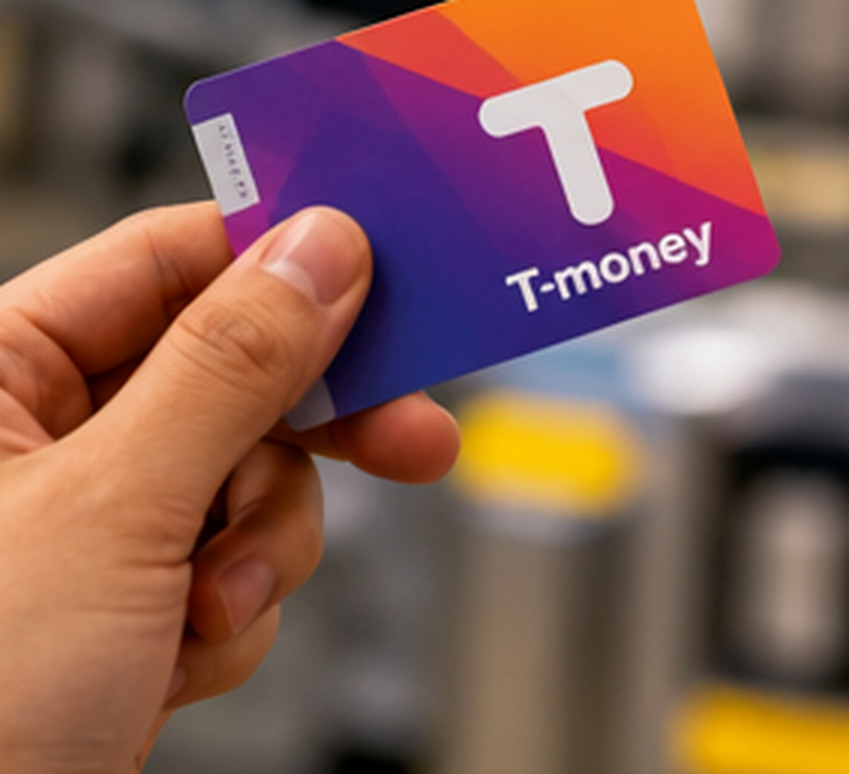
For electronics, check the plug style, voltage and compatibility of devices you bring. Phone charging, mobile data and map access deserve attention before arrival. Prepare a secure way to access important accounts if your normal phone number will not receive verification texts abroad. Have at least one payment backup and understand that ordinary foreign bank cards, transit card top-ups and train ticket systems may follow different acceptance rules. The VisitKorea transport guidance is worth checking close to departure.
A useful final check is to imagine your first four hours in Korea: can you show your passport, contact your hotel, pay for transport, find the right address and walk comfortably to your accommodation? If yes, you probably have the essentials. Leave spare room for souvenirs and avoid overloading your bag with things you can easily buy locally if needed.
Quick answers for planning your trip
Should I bring cash? Carry a manageable amount, particularly for situations where a small vendor or transport-card recharge may not take your usual foreign card. At the same time, avoid carrying unnecessary large sums. Payment practices vary by provider, so review the current official travel information rather than adopting an absolute rule that every transaction is cash-only or card-only.
Will I need a travel adapter? Check your plugs and device power ratings before the trip. Some charging equipment accepts a wide voltage range, while other devices do not. A plug adapter changes the physical connector; it does not necessarily convert voltage. Consult your device documentation and use an appropriate, safe charger.
What do I need for restaurant visits? Comfortable clothing and sensible footwear cover most ordinary dining. Bring a card that works locally and a method to communicate allergies if relevant. If you have a medically significant allergy, prepare carefully and never assume an ingredient is absent because a dish looks simple.
What is the easiest item to forget? A realistic day bag: small enough to carry comfortably but large enough for a water bottle, extra layer, umbrella, charging cable and documents you need nearby. It saves repeated returns to a hotel and makes sudden weather changes much easier to handle.
Official sources and fact-checking references (accessed 2026-10-15):
- https://english.visitkorea.or.kr/svc/contents/infoBscView.do?vcontsId=140636
- https://english.visitkorea.or.kr/public/contents/travel/KoreaTransportationGuide_enu.pdf
- https://english.visitkorea.or.kr/svc/contents/contentsView.do?vcontsId=140638
Schedules, prices, entry rules, transport, operating hours and weather conditions can change. Check official operator or destination information before travel.